
The Difference Between Artisan Bakeries and Commercial Bread Shops
When it comes to bread, not all bakeries are created equal. There are two main types of bread establishments that often get compared: artisan bakeries and commercial bread shops. While both serve up delicious loaves, the approach, ingredients, and overall experience can differ significantly. In this article, we’ll break down the key differences between artisan bakeries and commercial bread shops to help you understand what makes each unique and what you can expect when visiting either.
- What Makes Artisan Bakeries Unique
- The Appeal of Commercial Bread Shops
- Key Differences Between Artisan and Commercial Bread
- Real-Life Examples of Artisan vs. Commercial Bakeries
1. What Makes Artisan Bakeries Unique
Artisan bakeries are all about craftsmanship, tradition, and high-quality ingredients. Typically, these bakeries focus on small-batch production, using techniques passed down through generations. The bread is often made by hand with care and time, utilizing natural fermentation methods like sourdough starters or long proofing processes. This results in loaves with deep, complex flavors and a distinct texture that mass-produced bread simply can’t match.
2. The Appeal of Commercial Bread Shops
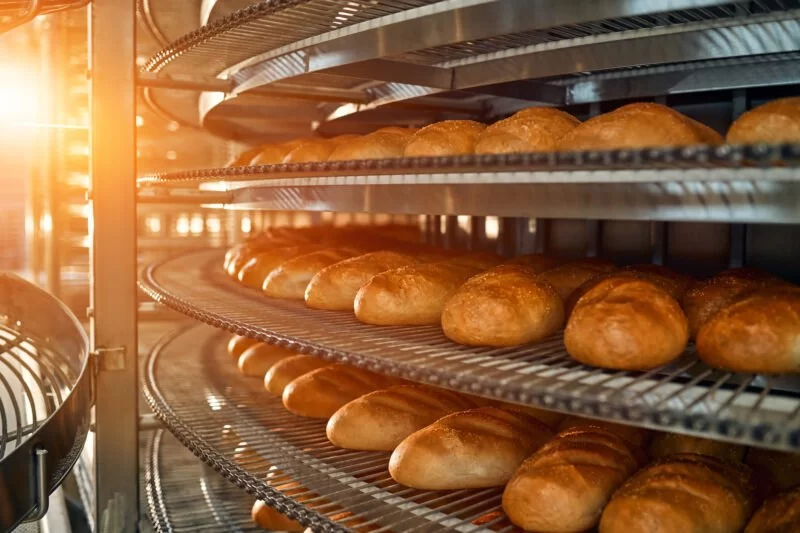
Commercial bread shops, on the other hand, focus on efficiency and mass production. These bakeries often use automated processes and ingredients that can extend shelf life, such as preservatives and artificial additives. While commercial bread shops can offer a wide variety of loaves at a lower price point, the quality and flavor can sometimes be more uniform and less complex than what you’d find in an artisan bakery.
3. Key Differences Between Artisan and Commercial Bread
The primary difference between artisan bakeries and commercial bread shops lies in the approach to baking. Artisan bakeries prioritize quality over quantity, with each loaf carefully crafted and designed to highlight the flavors of the ingredients. These bakeries often use organic or locally sourced ingredients, making their bread not just about taste but also about sustainability and supporting local farmers.
Commercial bread shops, however, often focus on mass production to meet high demand. Their bread may be less expensive, but it’s often made with refined flour, preservatives, and chemicals that alter the bread’s flavor and texture. While commercial bread shops may offer convenience and affordability, they typically lack the distinctive flavors and textures found in artisan breads.
4. Real-Life Examples of Artisan vs. Commercial Bakeries
Consider a visit to French Loaf Bakery, an artisan bakery known for its artisanal approach to baking. Here, every loaf of bread is baked with a commitment to flavor, texture, and craftsmanship. On the other hand, a visit to a commercial bakery like Panera Bread offers convenience and consistency with a wide variety of bread options at more affordable prices. Both serve a purpose, but the experience, ingredients, and final product are very different.
At BakersAtlas, you can explore more about artisan bakeries and discover the best places to enjoy authentic, handmade bread. Whether you prefer the unique flavors of an artisan loaf or the convenience of a commercial bread shop, BakersAtlas has the right bakery recommendations for you.




 CookiesNCream4.0 (287 reviews)
 Zaro's Family Bakery3.0 (26 reviews)
 Betel Party Supply4.0 (522 reviews)
 Auntie Anne’s3.0 (24 reviews)
 Top Tasty Bagel4.0 (202 reviews)
 Zucker's Bagels & Smoked Fish3.0 (1156 reviews)
 Top Bakeries in Nashville for Fresh Biscuits and Bread
 Best Bakeries in Portland for Fresh Sourdough and Natural Fermentation
 Best Bakeries in San Diego for Family-Owned Local Favorites
 Top Bakeries in Houston for Fresh Bread and Affordable Pastries
 Best Bakeries in Denver for Small Batch Bread and Coffee
 Best Bakeries in Portland for Organic and Handmade Bread